Flying Home for the Holidays With Gifts and Food: What TSA and Canada Customs Allow
Don't wrap gifts, check the cranberry sauce, and know Canada's duty-free limits. How TSA and the CBSA handle the holiday bag.
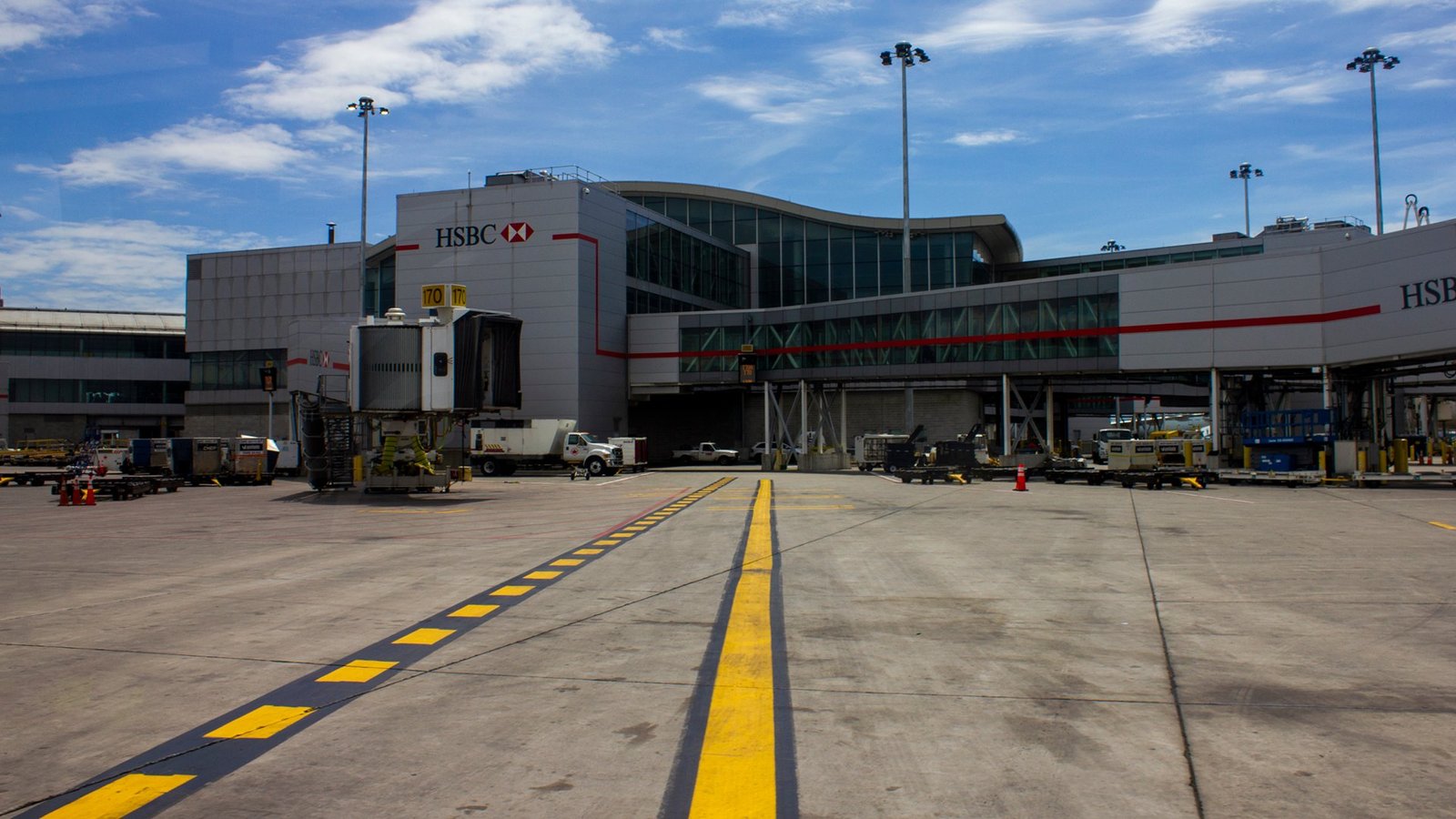
43.68° N · 79.63° W — Toronto Pearson
The holiday trip home usually means a bag that’s half gifts and half food: a tin of shortbread for your parents, a bottle of something good, a snow globe for a niece, presents you wrapped the night before. That’s exactly the bag most likely to be pulled aside at security or questioned at the border. Here’s how US and Canadian authorities say to pack gifts and holiday food, what you can claim duty-free when you come back to Canada, and the small choices that keep you moving through the airport in December.
Should I wrap gifts before I fly?
No, on both sides of the border. The US Transportation Security Administration (TSA) recommends gift bags or boxes instead of wrapping paper, because “wrapped presents that trigger an alarm will need the gift wrap removed.” The Canada Border Services Agency (CBSA) gives the same advice for crossing back into Canada: “It is recommended that gifts not be wrapped as CBSA officers may need to examine them more in-depth.”
The practical fix is simple. Travel with gifts in bags or open boxes, and pack the paper, tape and ribbon flat in your suitcase to wrap on arrival. If a gift has to arrive wrapped, ship it ahead.
Can I take pies, cakes and cookies through security?
Yes. TSA says “cakes, cookies, pies, fruitcake and brownies and other solid food items are permitted” through checkpoints. Solid food is generally fine in a carry-on, though officers may ask to look at it if it’s dense enough to obscure the X-ray image, so pack it near the top of your bag.
Read next · DestinationsWinter Tires in Quebec and BC: The Rules for Road Trips, Rentals and Visitors5 min →The problem is anything you could pour, spread or pump. Liquids, gels and spreads in a carry-on must follow the 3-1-1 rule: each container no larger than 3.4 ounces (100 ml), all in one quart-sized resealable bag. Canada’s screening authority applies the same 100 ml limit. That means the jar of cranberry sauce, the gravy, the jam and the maple syrup all go in your checked bag unless they’re tiny.
What about wine, eggnog and snow globes?
TSA puts wine, eggnog and champagne in the checked-bag category, along with snow globes: liquid-filled gifts larger than the carry-on limit have to be checked. If you’re carrying bottles, wrap each one in clothes, seal it in a plastic bag and put it in the centre of the suitcase.
How much can I bring back to Canada duty-free?
The Government of Canada’s personal exemptions depend on how long you’ve been away:
| Time out of Canada | Duty- and tax-free allowance |
|---|---|
| Under 24 hours | No personal exemption |
| 24 to 48 hours | Up to CAN$200 (no alcohol or tobacco) |
| 48 hours or more | Up to CAN$800 |
| 7 days or more | Up to CAN$800; non-alcohol, non-tobacco goods can follow later |
The CAN$200 allowance is all or nothing: if what you bring back after a 24–48-hour trip is worth more than CAN$200, you lose the exemption and pay full duty on everything. On a 48-hour-plus trip, you can include alcohol within your CAN$800: up to 1.5 litres of wine, or 1.14 litres of other alcohol, or 8.5 litres of beer. Those are alternatives, not a combined allowance. Gifts you bought abroad and are carrying home count toward your exemption like anything else you bought.
Can I mail gifts to Canada instead?
Yes, and it can save you the hassle at the airport. The CBSA says gifts valued at CAN$60 or less sent to someone in Canada are duty- and tax-free, as long as they’re sent personally (not by a store) and include “a card or other notice indicating that it is a gift.” Above CAN$60, duty and taxes apply only to the amount over CAN$60. Alcohol and tobacco don’t qualify.
Do I have to declare food at the Canadian border?
Yes. Canada’s border declaration asks you to declare all food, plants and animal products you’re carrying, including the homemade cookies and the cheese you bought at the airport. Declaring isn’t the same as having it seized; most packaged and baked goods are allowed. It’s failing to declare that brings penalties. Meat, dairy and fresh produce have the tightest rules, and the CBSA’s food page is the place to check specific items before you pack them.
What else trips people up at the holidays?
- Cannabis. Legal in Canada, still illegal to carry across the border in either direction. The CBSA’s line is blunt: “Don’t bring it in. Don’t take it out.”
- Children travelling with one parent. The CBSA recommends that a parent travelling alone with a child carry a consent letter and contact information for the other parent.
- Timing. TSA advises arriving at least two hours before a domestic flight and three hours before an international one during the holidays.
The holiday bag, packed right
Put it together and the carry-on/checked split looks like this:
| Carry-on | Checked bag |
|---|---|
| Cookies, shortbread, fruitcake, pies, brownies | Jams, sauces, gravy, maple syrup over 100 ml |
| Gifts in bags or open boxes | Wine, spirits, eggnog, champagne |
| Small liquids (100 ml or less) in one resealable bag | Snow globes and other liquid-filled gifts |
| Receipts for anything bought abroad | Wrapping paper, tape and ribbon, packed flat |
Keep receipts for gifts bought outside Canada together in one envelope. If an officer asks what you’re bringing back and what it cost, it’s the quickest answer you can give, and it makes the all-or-nothing CAN$200 calculation on a short trip easy to check before you reach the counter.
Last checked: 26 November 2026.
Sources
- TSA, holiday travel guidance (Dec 2024)
- Government of Canada, Personal exemptions
- CBSA, Holiday season travel and mail tips
- CBSA, I Declare: a guide for residents returning to Canada
Where to stay near Toronto Pearson
Map by Stay22. If you book through it we may earn a commission, at no cost to you. It never decides what we write.

Jessie Isberg is a Toronto psychotherapist and musician. She also writes for prompt/power and The Remote.


